Elvira, IV3FSG will be active as 3X3A from Rouma Island, IOTA AF - 051, Guinea, 11 - 25 April 2026.
She will operate on 160 - 6m, CW, SSB, FT8, FT4, FT2.
Recent DX Spots 3X3A
3X3A Log search QSK vua IK2WAD
Guinea: The Black Pearl of West Africa
Guinea is a republic located in the western part of the African continent. It is also known as Guinea-Conakry to avoid confusion with Equatorial Guinea and Guinea-Bissau. It borders Senegal, Mali, Guinea-Bissau, Sierra Leone, as well as Côte d'Ivoire and Liberia. The western part of the country is washed by the Atlantic Ocean.
Territory and Population
Like many other African countries, this nation is small in size. The republic covers an area of approximately 246,000 square kilometers, and the total length of its borders is less than 3,500 km. According to the latest census, the country’s population is 12,396,000 people, 32% of whom are Fulbe, 31% are Mandinka, and 20% are Susu. 86.7% of the country’s total population practices Sunni Islam. Christians make up only 8.9% of the republic’s population. Most Christians in Guinea are Catholics. There are communities belonging to other branches of the Christian faith. 4% of the indigenous population remain pagans.
The Long Road to Independence
The ancient history of Guinea from the pre-colonial period is poorly studied; it consists of a series of internecine conflicts among the various tribes inhabiting the territory of present-day Guinea. In the 18th century, the war waged by the Islamized Fulbe tribes ended in their victory and the establishment of an early feudal state. It was not until the 19th century that Guinea attracted the interest of the French. Merchants attempted to establish trade with the indigenous people, but most foreigners were simply killed.
In the second half of the 19th century, France decided to protect the merchants and built fortified structures in the southern part of the country. The military forces that arrived in Guinea managed to reach a peaceful agreement with the indigenous chiefs. At the end of the 19th century, the French concluded a protectorate treaty with the ruler of the feudal state; from 1898, Guinea became yet another African colony of France. However, this did not lead to rapid economic development; industry and agriculture developed slowly there. In 1958, the colonial yoke was cast off as a result of a referendum. From the colonizers, the newly proclaimed republic retained French as the official language and the Guinean franc as its currency.
Rich Natural Resources and an Impoverished Population
Guinea’s first president pursued a pro-Soviet policy and sought to establish a form of socialism with African characteristics in the country. In 1984, the first president died, and power passed to the military following a coup. Since then, the republic has been periodically rocked by conflicts between the ruling forces and the opposition. The unstable political situation did not contribute to the development of tourism. Tourist flows—and with them, significant revenue—flowed to neighboring countries: Gambia and Senegal. It is only recently that the authorities of the Republic of Guinea have decided to change this situation and take steps to develop tourism infrastructure. This could improve the country’s economy.
Guinea’s economy is underdeveloped, although the country has great potential for the development of hydropower and agriculture. Its subsoil harbors rich bauxite deposits, which, according to some sources, contain nearly half of the world’s reserves, as well as iron ore deposits, diamond mines, gold veins, and uranium. With the help of the Soviet Union, a bauxite mining complex and other industrial facilities were built here, along with the capital’s university, an airport, and much more. However, mineral extraction remains limited, and 47% of the population lives below the poverty line. Most of the working-age population of Guinea (75.5%) is employed in agriculture. The country grows coffee and rice, pineapples and nectarines, peaches and citrus fruits, mangoes, bananas, etc. Cattle, sheep, and goats are also raised here.
Geographical Features
The country’s terrain is diverse, featuring numerous hills, elevations, and highlands from which noisy and fast-flowing mountain rivers descend. Guinea’s main highland is the Fouta Djallon, whose highest peak, Tamge, rises 1,537 meters above sea level. The plateau runs along the coast, seemingly framing a narrow strip of coastal lowlands. It supplies fresh water to all of West Africa; it is here that the largest rivers of this part of the continent—the Gambia and the Senegal—have their sources. Guinea is also home to the source of the Niger River. It is located in the north of the Guinean Highlands, where the country’s highest mountain, Nimba, stands. Guinea’s rivers are turbulent, with water levels fluctuating greatly throughout the year; rapids and waterfalls are common. Thus, navigation on these rivers is out of the question.
Guinea’s flora is rich and diverse. Mangrove forests stand like a wall along the ocean coast; coconut and oil palms are common, along with a host of other exotic plant species. The country also features savanna (located in Upper Guinea) and impenetrable jungles (found in Lower Guinea). No matter which part of the country you visit, you can take unique photos everywhere: capture magnificent landscapes and photograph representatives of the exotic African fauna.
A significant portion of the population lives in rural areas. Villages, however, can differ significantly from one another.
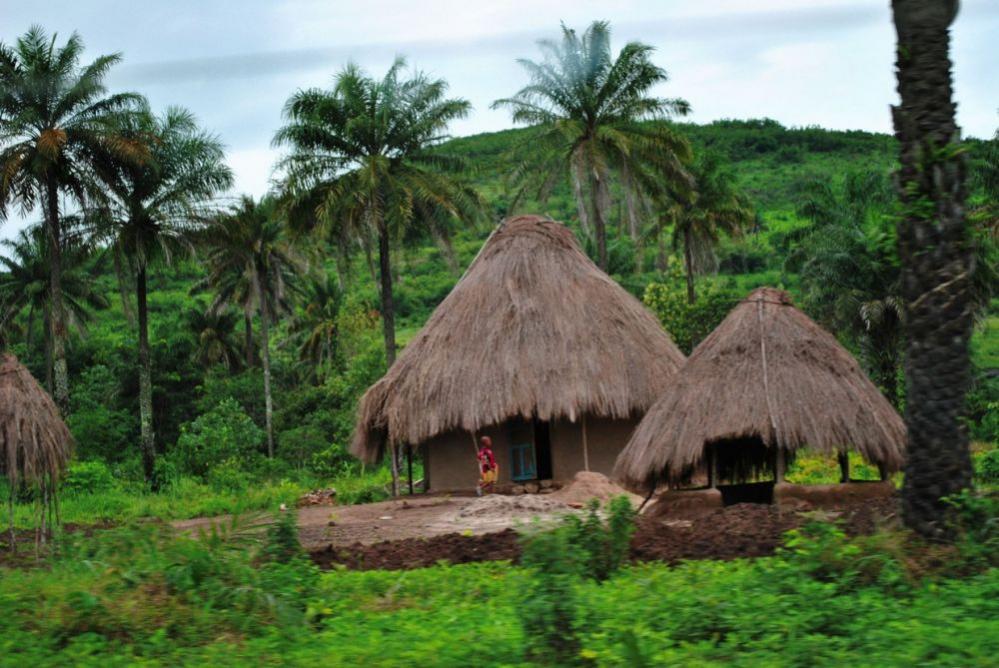
Some settlements are more developed, while others remain at a primitive communal stage of development. People there live in pitiful huts made of palm leaves, go about practically naked, have no electricity, let alone other benefits of civilization. Yet they are friendly toward strangers and always ready to help.
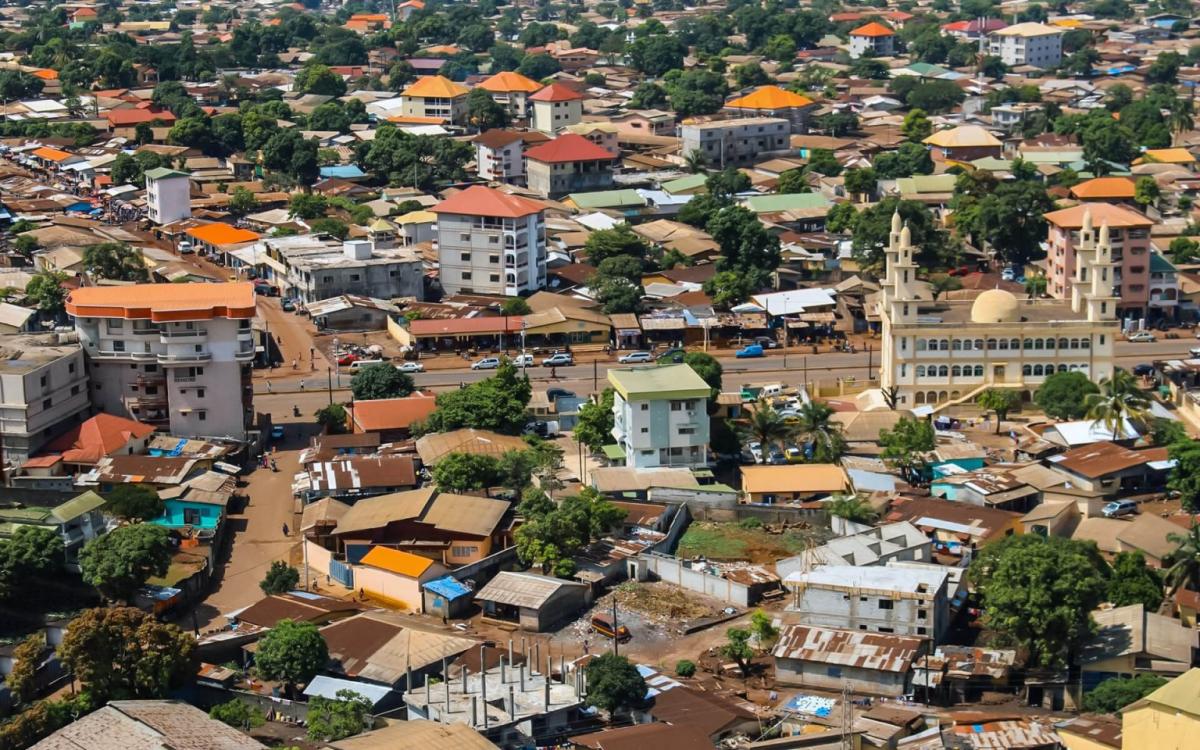
Most of the country’s roads are unpaved. But there are places here where civilization has finally reached. These include a couple of cities with a population of about 200,000 people and, of course, the capital of the Republic of Guinea—the city of Conakry. A true metropolis—it is home to 2.2 million people. The capital has its slums, but it also boasts hotels of various standards and a modern international airport.
Climate of the Republic of Guinea
This is a country with a tropical monsoon climate. There are no distinct cold or hot seasons; instead, there is a dry season and a wet season. The dry season begins in October and ends in March, while the rainy season lasts from April to September. Temperatures along the Atlantic coast remain consistently high, reaching particularly high levels during the dry season (the average daily temperature reaches 38°C due to winds blowing in from the Sahara).
Musical and Authentic
The cultural heritage of the Republic of Guinea consists of applied art pieces crafted by local artisans from various materials, including wood, leather, and bone, as well as lively music and authentic dances—an integral part of the indigenous people’s lives. A sense of rhythm and musicality are inherent in every inhabitant of this country; their music and lively dances are known throughout the world. Local artistic groups such as the Djoliba Ballets and African Ballets have played a major role in popularizing the musical heritage of the African continent.
Guinea celebrates many holidays, both official and unofficial. Most of them are Muslim holidays, such as Ramadan, Eid al-Adha, Eid al-Fitr, and others. However, each village is free to establish its own holidays, which the Guineans do, and then celebrate them lavishly and vibrantly as a whole community.
Culinary Preferences
The cuisine of the Republic of Guinea has been shaped by French and Lebanese culinary traditions. However, these have been adapted to local ingredients. The main staples of the local diet are cassava, rice, corn, beef, lamb, chicken, seafood, fish, and a variety of fruits. Many of the dishes are spicy, as they are prepared with ground chili peppers. Stew is a frequent guest on local tables. Traditional stuffed chicken with peanuts, corn soup, and fish with rice are also popular. As for non-alcoholic beverages, fruit juices are widely consumed here. The Islamic religion does not condone the consumption of alcoholic beverages. However, the rules are not as strict here as, for example, in the Arab world. Locals enjoy drinking beer, which is brewed right here in West Africa.
National Landmarks
Guinea’s man-made landmarks are concentrated in the capital, where a large botanical garden has been established, showcasing a wide variety of African flora. The cathedral, built in the 1930s, is also worth visiting. Characteristic architecture is represented by the National Museum building, the People’s Palace, and Moorish villas. Not far from the capital, in its suburbs, lie the Kakimbon Caves. The Ba people believe them to be sacred and associate them with numerous tales and legends.
Excursions to natural attractions—the Fuyama rapids and the Bafara waterfall, which tourists reach via the Niger River—depart from Faran, where you can admire a beautiful large mosque.
Unlike many African countries, which have long since taken steps to preserve wildlife by establishing numerous nature reserves, Guinea does not yet have any national parks. However, there are plenty of unique places here that would be worth preserving in their pristine state. For example, one such natural area is located near Guinea’s border with Mali.
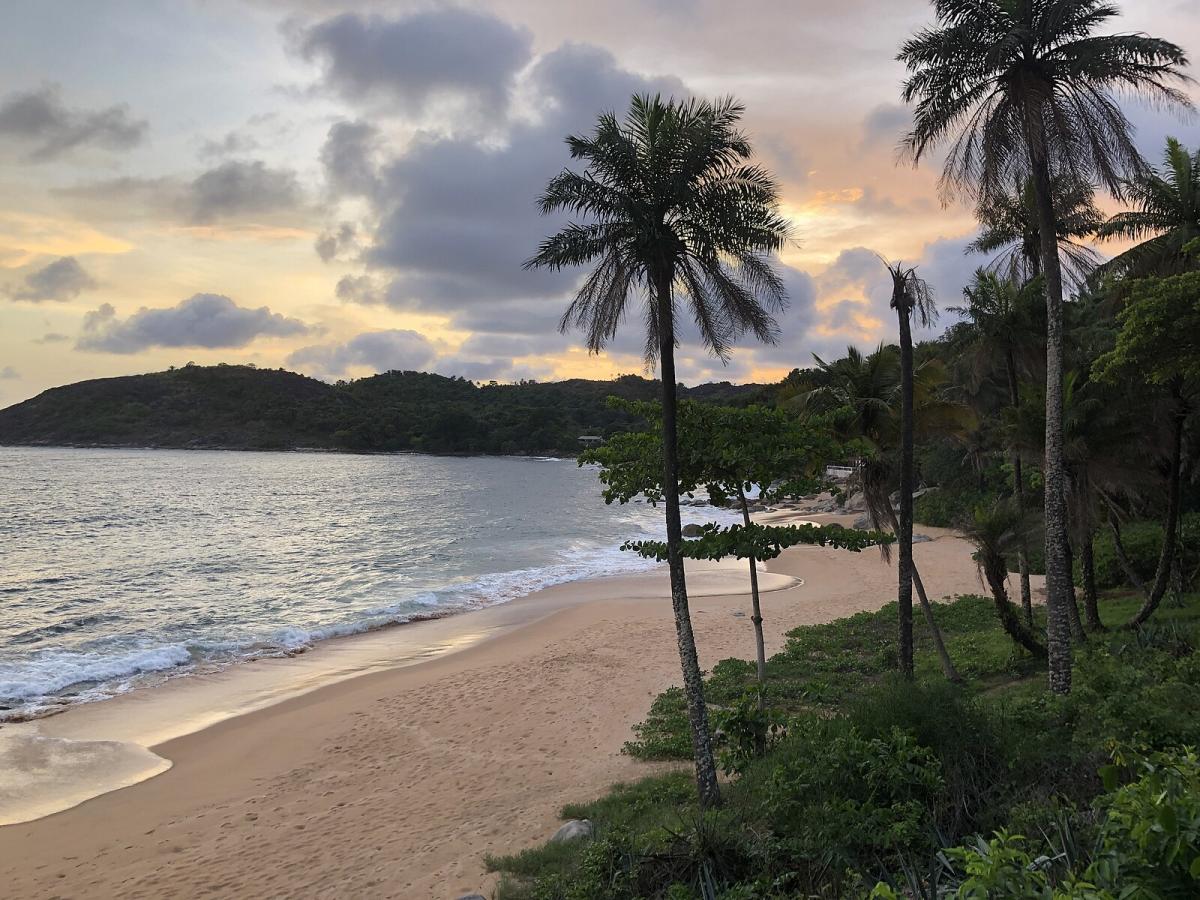
The tourist infrastructure here isn’t very developed, but the beaches in this country are very beautiful and uncrowded. In some villages, travelers may even be offered the chance to stay by the ocean in an exotic hut for a very small fee. Lovers of exotic wildlife will be interested in visiting the islands located near the border with Guinea-Bissau, where they can encounter exotic wildlife: turtles living in their natural habitat and a wide variety of tropical birds.