J51A Team will be active from Bijagos Archipelago, IOTA AF - 020, Guinea Bisau, February - March 2026.
Team - DA1DX, DK9IP, DL8LAS, DM5EE, DM6EE.
Recent DX Spots J51A
J51A Log search They will operate on 160 - 6m Bands, CW, SSB, Digital Modes.
QSL via DJ4MX, LOTW, ClubLog OQRS.
Guinea-Bissau: on the western edge of the continent
A jeep covered in red dust pulls up to a pair of border posts with a rope stretched between them. A little further away is a palm leaf shelter, where a funny monkey with a white nose is tied to a bench. A border guard emerges from under the canopy, lowers the rope, and stamps your passport. The way to Guinea-Bissau is open!
This country lies at the western edge of the African continent. Its territory is small, but its population is diverse, comprising 16 indigenous African ethnic groups. Each has its own language, often very different from the languages of its neighbors. So people here communicate in Guinean Creole, a mixture of Portuguese and African words.
 Bijagos Archipelago, Guinea Bissau. Author - Adrian Turner.
Portuguese has been declared the official language. Not out of gratitude to the colonizers, but because other local languages do not have a written form. It is used for teaching and printing newspapers. It turns out that Guineans speak one language and write in another. However, this does not apply to one of the local ethnic groups, the Fulbe. They are noticeably different from other Guineans: tall, graceful, with light brown skin and straight black hair. Where did they come from?
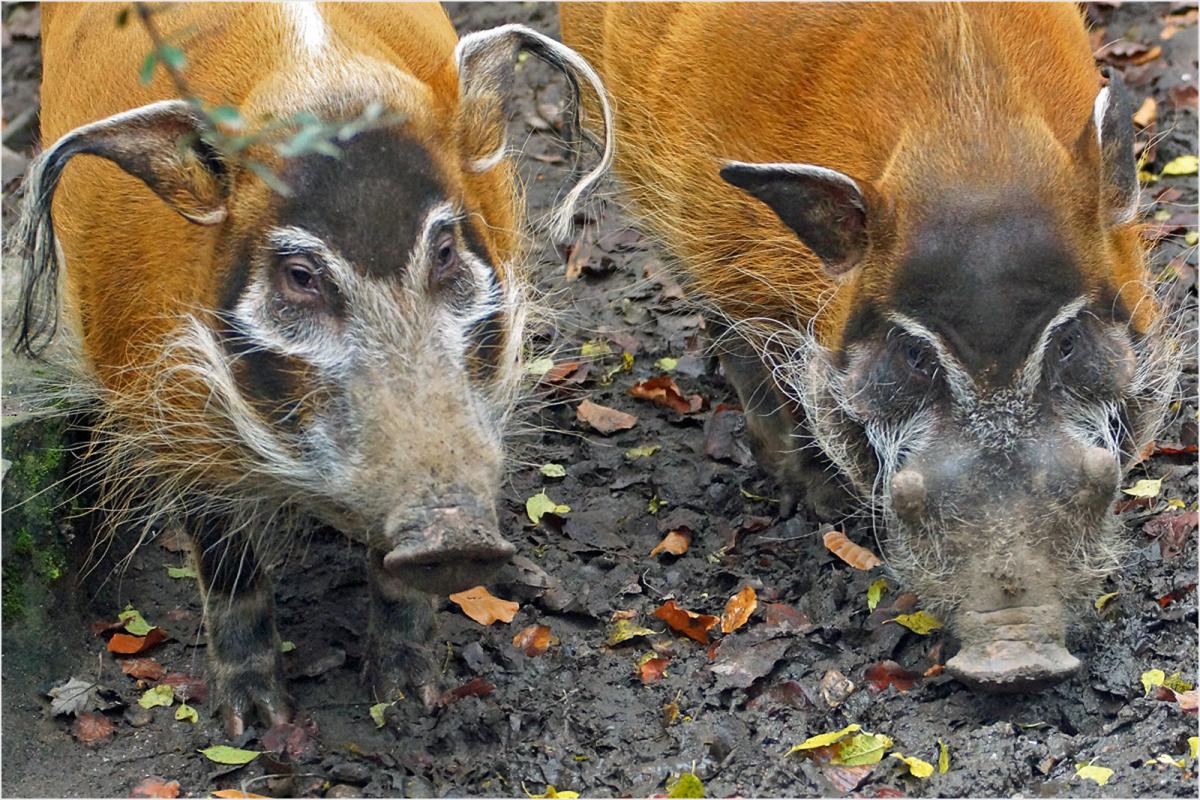 Guinea Bissau. Author - Martien Uiterweerd.
Black lips, white teeth
The Fulani have a writing system—they write the words of their language using Arabic script. Why? For a long time, it was believed that they were descendants of North African Muslims. But biologists unexpectedly discovered that, judging by their gene pool, the Fulani came from Central Asia. Nomadic cattle breeders, they settled in ancient times – through the Middle East to Egypt and Sudan. In short, they “wandered” to Guinea and stopped there, because further west there was only the Atlantic Ocean.
Local men organize multi-day competitions of strength and endurance. In one of them, competitors whip each other with whips! Before the competitions, the guys paint their wide lips blue-black, draw bright spots and stripes on their faces, put on wigs made of sheep's wool, headdresses (a turban or straw hat) with garlands of bright shiny pendants. The grooms flash their pearly white teeth, bulge their eyes, and generally try in every way to make a favorable impression on the brides and their parents.
Some of the Fulbe have become sedentary, but most, after harvesting their small fields on the outskirts of the village, leave for several months to graze their livestock in the savannah. Wearing short shirts with wide sleeves, and sometimes just a loincloth, they herd sheep, horses, goats, donkeys, and humpbacked zebu cattle. The same pointed straw hat with wide brims protects their heads from the hot sun. And then the fattened cattle themselves become the breadwinners of the family. Returning home at the beginning of the rainy season, the Fulbe exchange milk for grain and trade.
They go to the market as families. A man walks in front with empty hands or, at most, with a couple of chickens tied by their legs. Behind him are his two or three wives, each wrapped from head to toe in bright rags, with only their faces visible. You can hear the jingle of bracelets on their arms and legs. Each legal wife carries a child on her back and a large basin or bucket (or both) on her head. Walking twenty kilometers to the market and then back home is no problem for them. They are, of course, hereditary nomads.
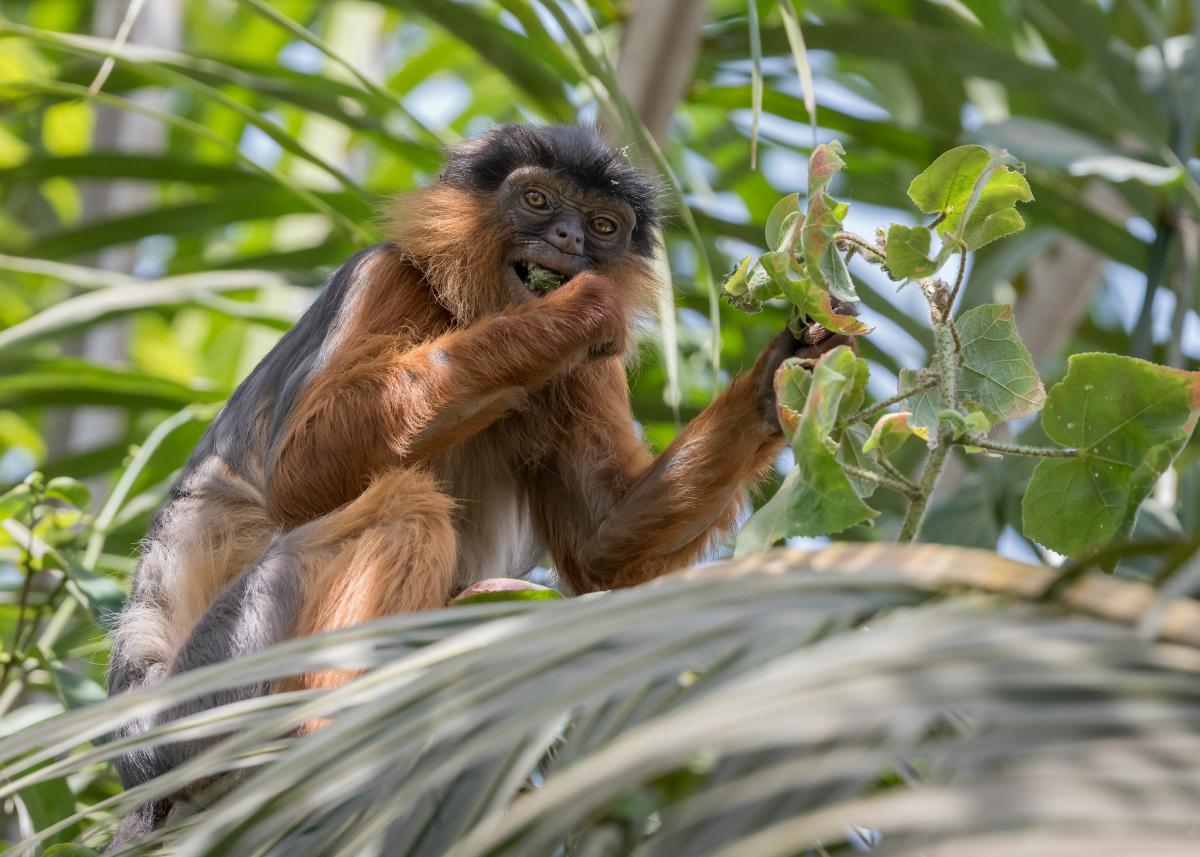 Guinea Bissau. Author - Tony (tickspics).
On the ocean
Let's be honest: Guinea-Bissau is one of the poorest countries in the world. So you won't find any masterpieces of modern architecture, amusement parks, or other tourist attractions here. The country's main attraction is its wild nature. Virgin forests cover more than a third of the country's territory. Hundreds of rivers and streams crisscross it. The savanna grass grows as tall as a horse rider. The rocks of the Futa Jallon plateau are picturesque. Mangroves—clumps of spreading trees—grow in a continuous, impenetrable strip in the tidal zone. Here, on half-submerged branches, African manatees feed—mighty sea creatures twice the size of our cows. The local coastline is the last place on the planet where this species is still common.
In the early 1990s, Guinea-Bissau issued coins depicting animals, including dinosaurs. Well, you won't encounter prehistoric reptiles in the jungle, but there is plenty to impress you: crocodiles and turtles, flamingos and pelicans, hippos, gazelles, and leopards... Over a hundred species of animals and 235 species of birds are just part of the fauna of this piece of land, which is about the size of the Yaroslavl region.
And there are also dozens of islands scattered across the ocean not far from the coast. This archipelago welcomes fishing enthusiasts and nature lovers. Millions of migratory birds from all over the world gather on the islands for the winter.
In the morning, African women gather huge shells washed up overnight at the water's edge. These gifts of the ocean then “surface” at local markets and become coveted souvenirs for tourists. Listen, why not take a leisurely stroll along the beach in Guinea-Bissau?