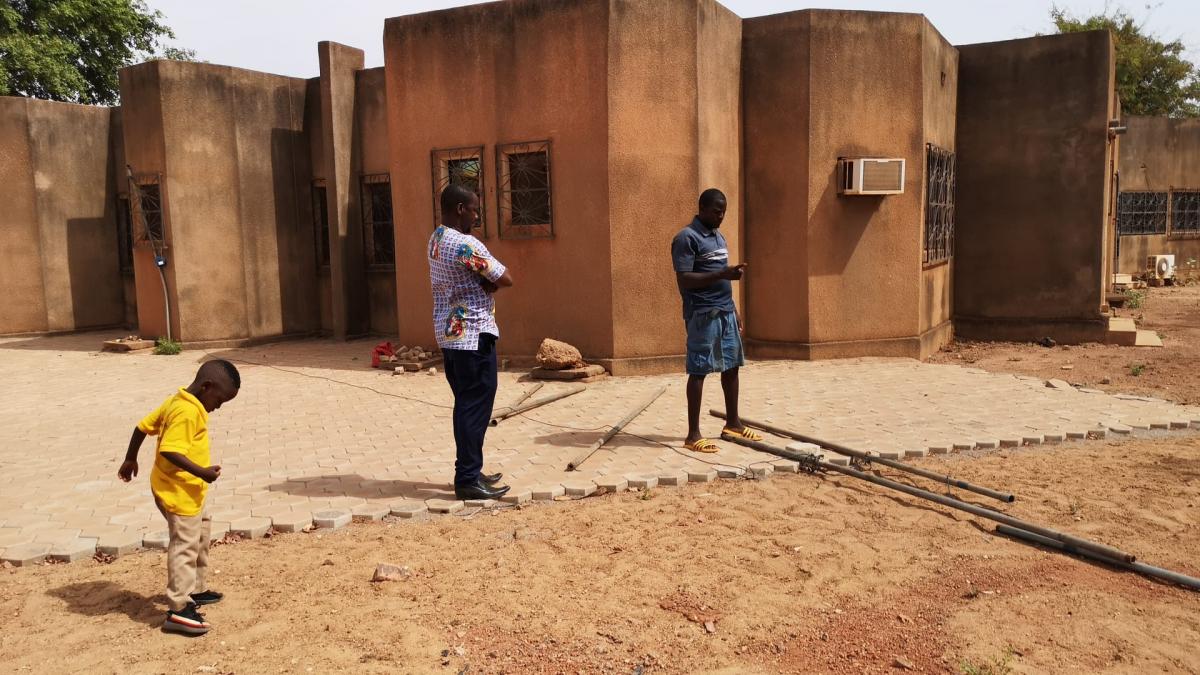
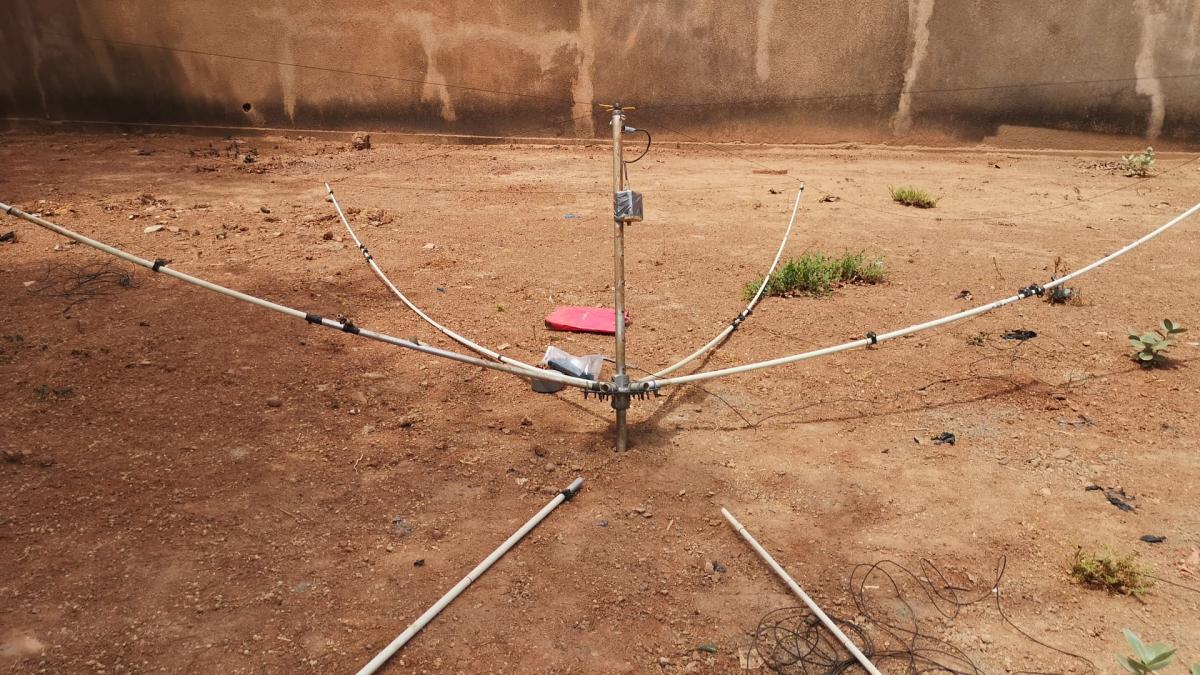
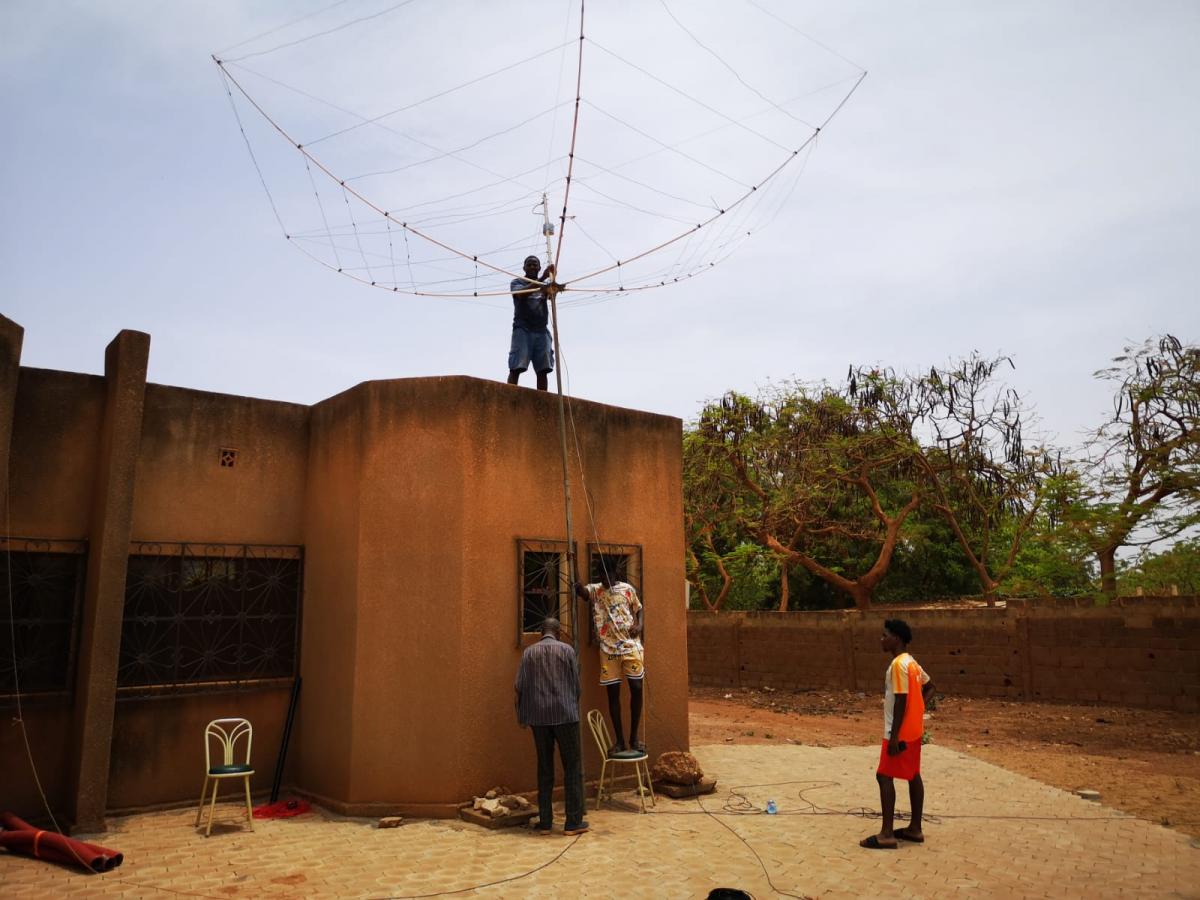
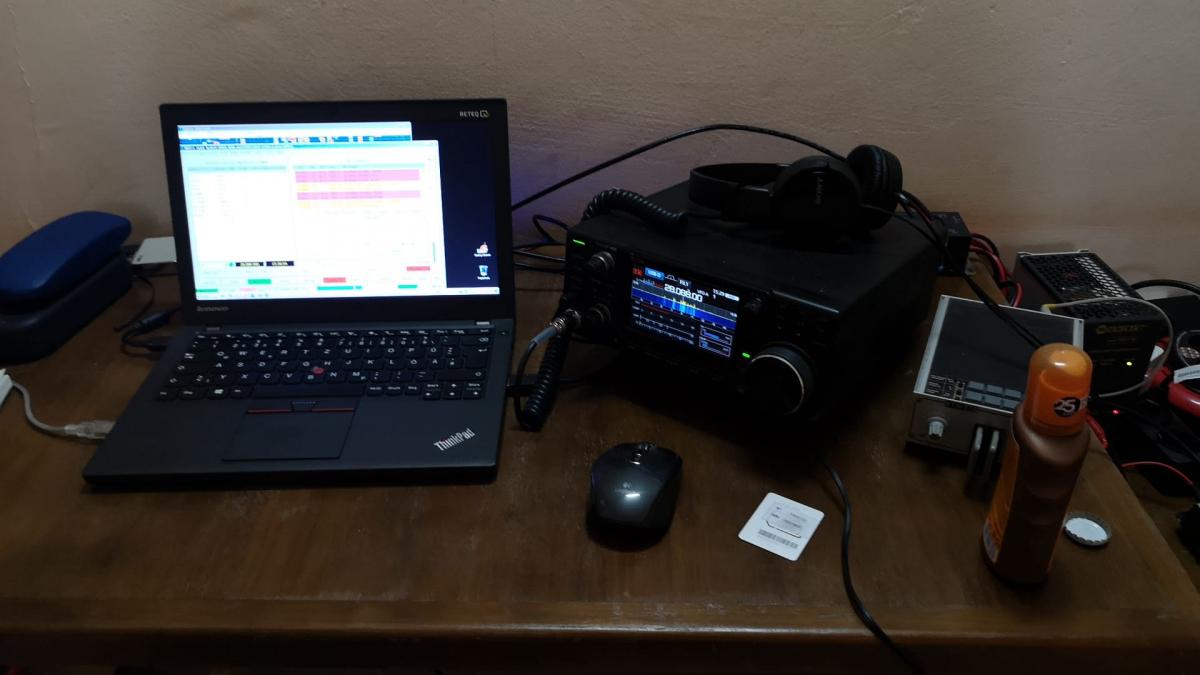
Max, DK1MAX will be active as XT2MAX from Burkina Faso, 4 - 11 January 2026.
He will operate on HF Bands, CW, FT8.
Recent DX Spots XT2MAX
QSL via EA5GL, LOTW, eQSL.
Ads for direct QSL:
PEDRO MIGUEL RONDA MONSELL, MAXIMILIANO THOUS 16-24, E-46009, VALENCIA, Spain.
Burkina Faso: in pursuit of the exotic
Burkina Faso is a country that captivates visitors with its national character. This small state in West Africa is one of the poorest countries on the continent, but nevertheless has much to offer.
The untouched beauty of the African savannah is the country's main asset. There are three national parks and about 20 nature reserves of various sizes, where you can get acquainted with the rich flora and fauna of these places. Travelers from different countries come here to go on a dangerous and adventurous safari tour.
The complicated history of Burkina Faso
Burkina Faso means “land of honest people” in the Mooré language. Until the early 1980s, it was still known by its former colonial name, Upper Volta. Most of the inhabitants are Muslims and Catholics, but ancient religious cults are still alive here. For example, representatives of the Gourma ethnic group still practice earth worship.
Since the time of the first settlements, this fertile land has been the subject of dispute among many tribes. In the Middle Ages, the state of Ouagadougou was formed as a result of the unification of several large tribes. The indigenous peoples desperately resisted the European colonizers who arrived in these lands, but due to internal wars, they were unable to defend their state. As a result, the tribes' lands were occupied by the French for a long time.
The capital of Ouagadougou
As soon as you arrive in the capital of Burkina Faso, Ouagadougou, you are immediately immersed in the atmosphere of bustling streets, where urban and rural flavors are mixed. Life is bustling everywhere: old green taxis, motorcycles and bicycles, donkeys with carts, porters with loads on their heads, traders selling bananas, small open-air cafes with loud music, chickens and goats scurrying around, colorful hand-painted advertising stands.
The city is divided into two parts by railroad tracks: the main tourist attractions and administrative buildings are concentrated in the southern part, while the northern part is home to residential neighborhoods. Here you will find the Great Mosque, an ancient Muslim church in Ouagadougou and the only place where believers gather for Friday prayers.
The capital also has a rich cultural life: you can watch a theater performance at the “House of the People” with its Burkinabe-style architecture. In odd-numbered years, the capital of Burkina Faso traditionally hosts the Fespaсo film festival, which brings together filmmakers from across the continent. Also worth seeing are the majestic Martyrs' Memorial and the Moro-Naba Palace, which belonged to the rulers of the Mossi tribe.
Interesting places to visit
A few kilometers from the capital, among the sand dunes, lies the most colorful market in West Africa – the Gorom-Gorom market. Representatives of various ethnic groups inhabiting the country gather here to display unique goods – the result of painstaking labor – and demonstrate their skills. Representatives of the once warlike Mossi tribe, now successful in agriculture, offer shea butter and thoroughbred horses, while the Sisal trade in skillfully crafted leather and woven baskets. The Ga offer fishing tackle, and the Gourma offer richly decorated leather belts and fine hand-woven fabrics.
One of the most unusual attractions in Burkina Faso is the Sindou Buttes. They are included in the UNESCO World Heritage List. Only a few tourists manage to reach this semi-desert area with towering peaks and sandstone pillars, as they are in danger of destruction. Visiting the outcrops is only possible during the dry season, when there is a fascinating three-kilometer walking route. The valley attracts visitors with its otherworldly landscapes.
The royal residence of the Kassena people, located in the village of Tjevel, deserves special attention. To get there, you need permission from the tribal elders. The houses, which are built from whatever materials are available, are painted with ornaments and patterns and decorated with frescoes depicting everyday scenes. This is not just decoration, but also protection from the rain. The structures made of earth, cow dung, and straw have no windows, only one small opening through which sunlight enters. The surface is covered with natural varnish made from beans.
In the village of Sabu in Burkina Faso, there is an amazing attraction - a pond with “tame” harmless crocodiles. Local residents feed them chicken to their heart's content, and they don't mind if tourists sit on their backs or touch their tails.
Features of African cuisine
Restaurants serve European and local cuisine. Familiar pizza and pasta are particularly popular with tourists, but you can also try more exotic dishes here. These include chicken in peanut batter with bananas, palm wine, or meat from various snakes, hippopotamuses, antelopes, and monkeys. Almost all food is seasoned with hot pili-pili sauce, pepper adds a spicy flavor and serves as a disinfectant. The basis of the diet is sorghum porridge, which is cooked in a clay pot with baobab leaf sauce.
The local fast food consists of meat generously seasoned with pepper in a French baguette. The inhabitants of Burkina Faso also brew delicious beer right on the street and know about 30 ways to make coffee. In the villages, you can try the friendship drink zom-kom, which is made from honey, sorghum, and ginger and is served when meeting new people. For dessert, you will be offered light banana cream with whipped egg whites.
Folk crafts
Local craftsmen create unique bronze and leather items, as well as unusual objects decorated with artistic embroidery. Thanks to the development of gold and silver deposits, jewelry is also produced here.
You can bring back exotic souvenirs from your trip, which are sold at craft markets, such as masks from the Mossi, Bobo, and Lobi ethnic groups living in this country. The craftsmen of the Mossi tribe make original antelope masks, some of which reach a height of 2 meters, using red or white colors for painting. The Bobo make large butterfly masks that attract attention with their bright colors - white, red, and black stripes. Once every two years, the Festima mask festival is held in Dedugu, with 40 villages participating. For several days in a row, from night until morning, there are lively mask dances and spectacular costume shows.
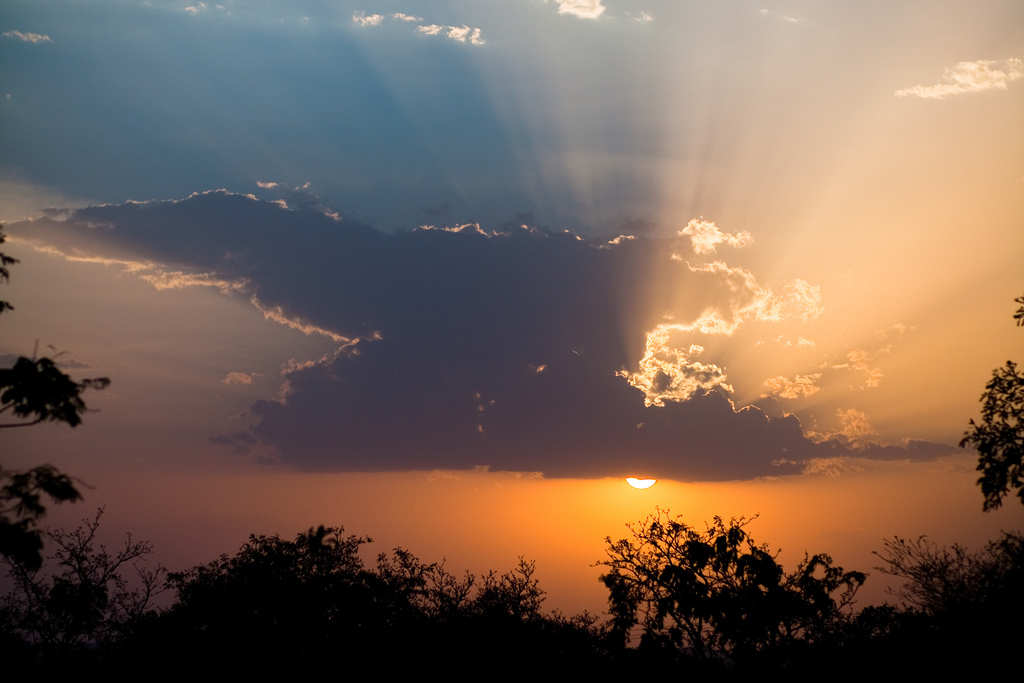 Burkina Faso. Author - Eric Montfort.
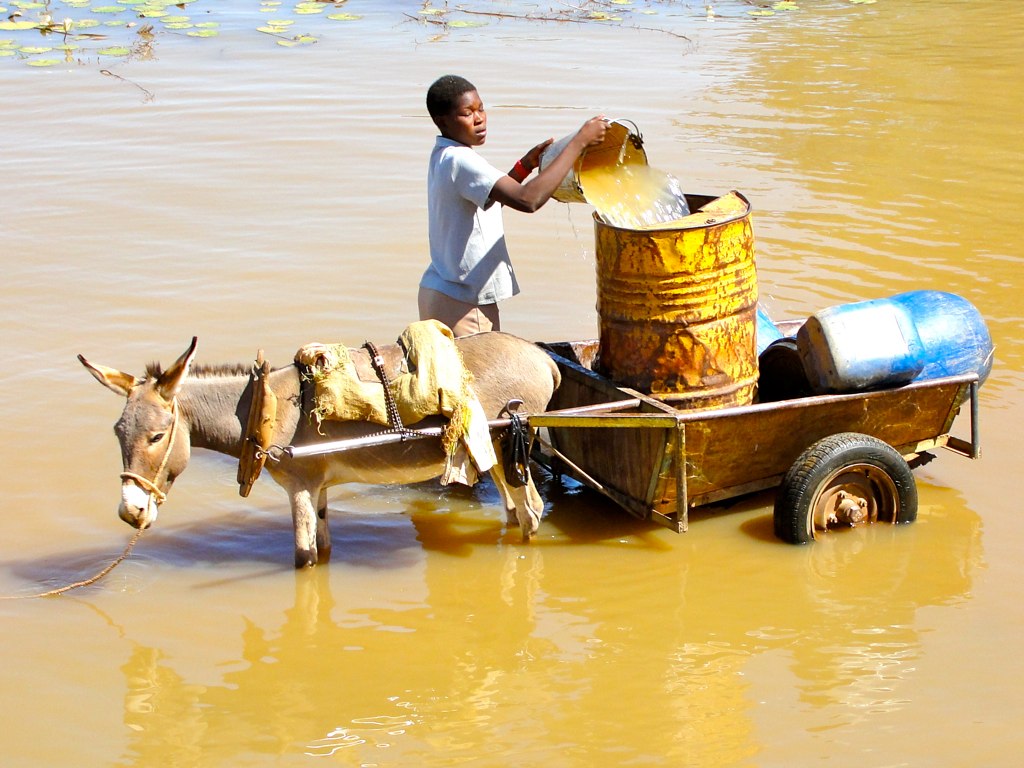 Ziniare, Oubritenga Province, Burkina Faso. Author - Jeff Attaway.
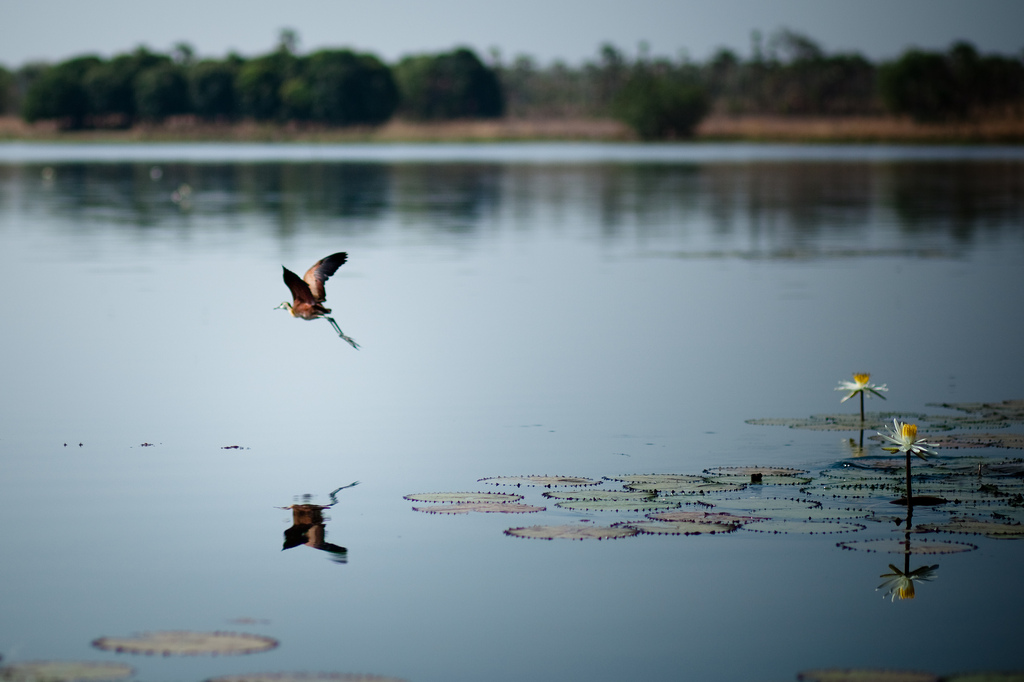 Bobo-Dioulasso, Houet Province, Burkina Faso. Author - Eric Montfort.