PJ4G Team will be active from Bonaire Island, IOTA SA - 006, in ARRL DX SSB Contest, 7 - 8 March 2026.
Team - PJ4NG/K2NG, NQ1R, AC0W, NP2X/K9VV, G4CLA, G4PVM/.
Recent DX Spots PJ4G
They will operate in Multi Op Category.
Before and after the contest they will be active as PJ4/home call.
QSL for PJ4G via K4BAI, LOTW.
Ads for direct QSL:
John Laney, PO BOX 421, Columbus, GA 31902-0421, USA.
Bonaire Island
A piece of the Netherlands in the Caribbean Sea
The blessed country of Holland is by no means limited to the territory located in Europe. The fact is that at one time it was considered one of the largest maritime and, as a result, colonial powers in the world. Over time, this greatness faded away, and the Dutch wisely decided that they were fine at home, but just in case, they kept several overseas territories in their possession. One of them is the island of Bonaire.
It is quite small: its total area is about 289 square kilometers, and according to the latest statistics, approximately 16,000 people live there permanently. Bonaire is located very far from the Netherlands, in the Caribbean Sea, less than a hundred kilometers from the coast of Venezuela. Geographically, it is part of the Lesser Antilles archipelago, which, located by nature in a ridge, forms one of the natural western borders of the Atlantic Ocean.
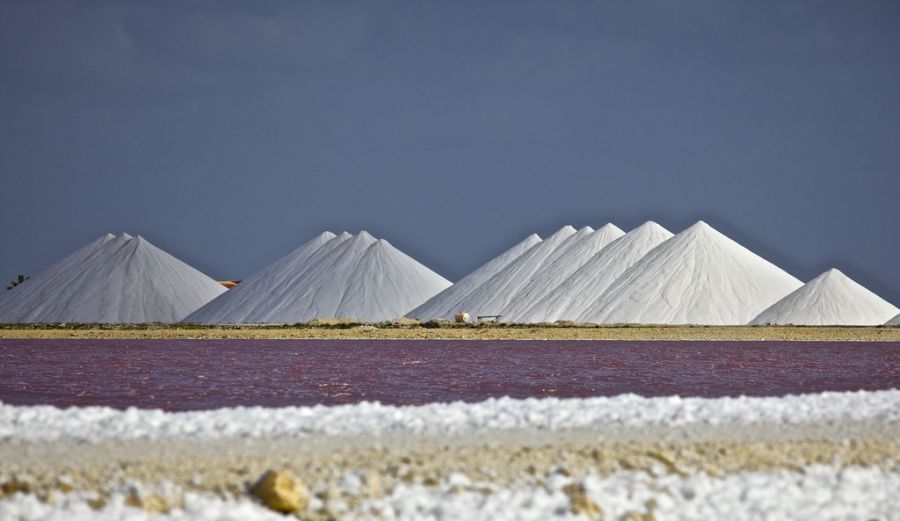
Bonaire Island. Salt pyramids. The pink color of the water depends of micro-organisms, which are also responsible for the wonderful pink color of the flamingos of the island of Bonaire. Author - Heinz-Dieter.
History and modernity of Bonaire
This island was discovered by the Spanish in 1499. Unfortunately, history has not preserved the name of the discoverer: all that is known is that somewhat later, in the first half of the 16th century, it appeared on European nautical charts.
As for its “pre-European” history, it has been established that Bonaire was settled around the 9th century BC during the “colonization” of numerous Caribbean islands by peoples whose homeland was the coast of present-day Venezuela. Most likely, the island was settled by the Caribs, who are considered the most aggressive aborigines of the pre-Hispanic period in the history of those places.
The Spaniards did not find Bonaire interesting from an economic point of view, and therefore did not colonize it “to the fullest extent.” No silver, gold, or other resources that interested the conquistadors in that historical era were found on this island. The Spanish took all the indigenous people who lived on the island as slaves to other islands in the Caribbean. Practically no one remained on Bonaire itself, as those indigenous inhabitants who were not resettled almost completely died out from diseases brought by the Europeans.
However, in the first third of the 17th century, serious changes took place in the history of this island. These consisted of the Netherlands claiming rights to it, which were ultimately fully satisfied. The Dutch set about developing Bonaire thoroughly and began to extract table salt there. They brought slaves from Africa to work in the mines and built houses for them that were quite comfortable by the standards of the time. Some of these dwellings have survived to this day.
Great Britain also laid claim to this island. It managed to capture it twice, but each time the Dutch took Bonaire back. During World War II, the island was controlled by the Americans and British, and a concentration camp was established there. Five years ago, a referendum was held on secession from the Netherlands. The locals refused to become completely independent, but demanded greater autonomy from the metropolis, which they ultimately received.
Geography, climate, and nature of Bonaire
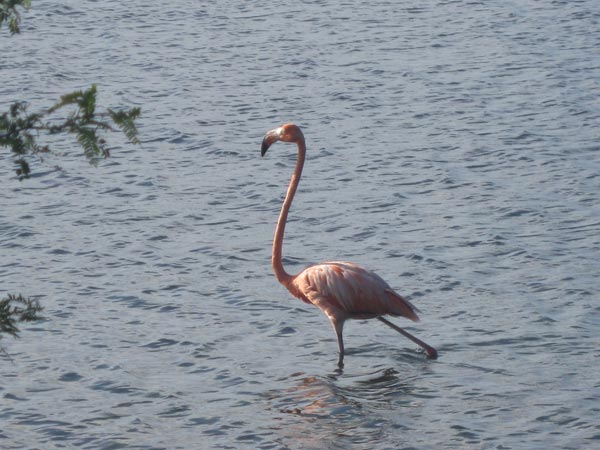
This island is nothing more than a part of the South American shelf raised above the surface of the Atlantic Ocean. The coastal part of Bonaire is a lowland, and in its center there are several picturesque hills. As for vegetation, it is represented on this island mainly by cacti and evergreen shrubs, and the fauna is represented by several species of animals, among which such rare ones as pink flamingos stand out.
Bonaire is located in a tropical maritime climate zone. The dry season lasts from late February to early November, and the rest of the year is the wet season. It is always warm on this island, with air temperatures ranging from +23 °C to +27 °C.
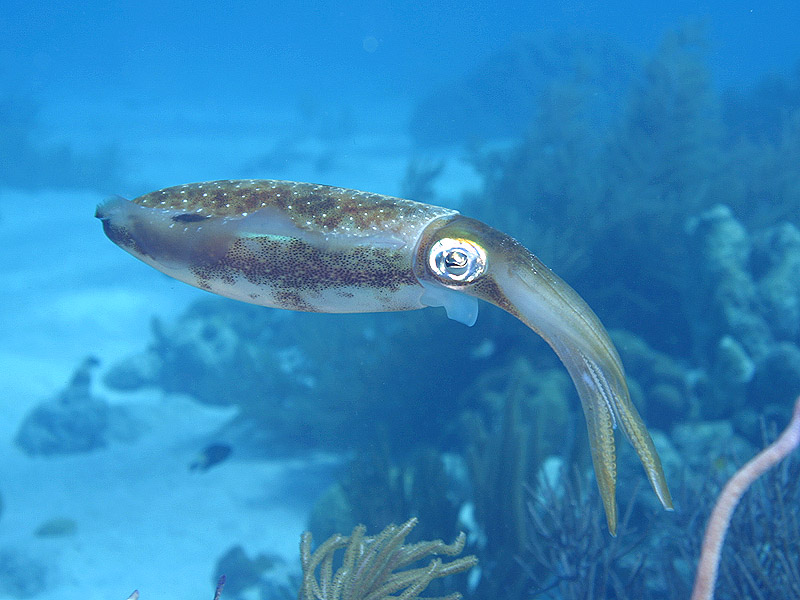
Perhaps the main attraction of Bonaire is Washington Slagbaai National Park, founded in 1969 and covering an area of 55 square kilometers. It was created to protect the unique natural complex of arid lands. In the coral reef area surrounding the entire island, there is a National Marine Park, which extends to a depth of 60 meters. It is home to more than four and a half hundred species of fish and several varieties of sea turtles. Among the man-made attractions of Bonaire, a small fortress built on the coast in the 18th century to protect the island from pirate raids is worth mentioning.